
Short answer: albarradas are traditional dry-stone limestone walls common in Yucatan. They can add character, shade, drainage logic, and heritage value to a property, but buyers should not treat an old stone wall as legal proof of boundaries. Always compare the wall, deed, survey, cadastral records, and what the notary can verify.
Last reviewed: July 24, 2026.
Buy property in Valladolid · Land near Valladolid · Our credentials
What are albarradas?
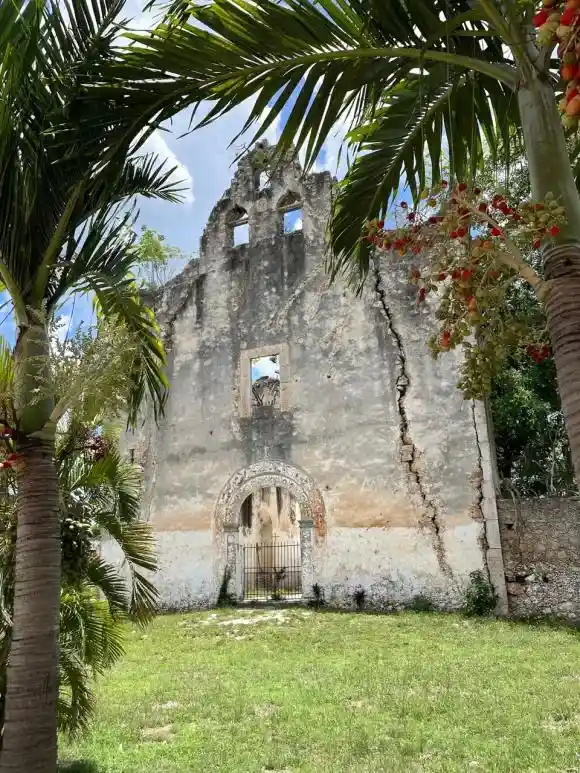
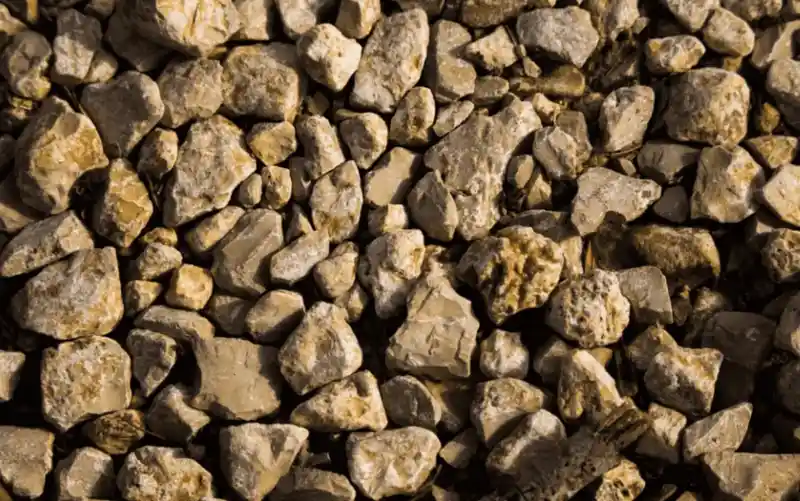
Albarradas are traditional stone walls built with local limestone, often without modern mortar. You see them around lots, rural properties, old homes, gardens, ranch land, and village roads throughout Yucatan. They are practical, beautiful, and part of the regional landscape.
For buyers, they matter because they can influence privacy, access, renovation costs, drainage, shade, and the character of the property. They can also confuse people who assume every wall marks the legal boundary.
What buyers should verify
| Item | Why it matters |
|---|---|
| Deed measurements | The escritura is the legal starting point, not the visual wall. |
| Cadastral information | Helps compare official records with the property being shown. |
| Survey or topographic review | Useful when boundaries, access, or lot size are unclear. |
| Neighbor agreement | Old walls may follow custom, history, or convenience rather than exact legal lines. |
| Wall condition | Collapsed areas can affect privacy, safety, and repair cost. |
An albarrada can be an asset. It can also be a warning sign if the property has unclear boundaries or informal access.
Use a wall-to-document comparison
Photograph each side of the lot and note gates, corners, adjoining structures and paths before the showing ends. Then compare what you saw with the deed measurements and cadastral plan. If the wall, seller’s explanation and documents do not agree, pause and ask the notary or qualified survey professional what evidence is needed.
| Observation | Follow-up question |
|---|---|
| Wall bends around a tree or old structure | Is that curve reflected in the legal measurements? |
| Neighbor uses a gate or path | Is there a registered right of way or only informal permission? |
| Wall is shared with a building | Who owns and maintains each part? |
| Listed area looks larger than the enclosure | Has the lot been surveyed against current records? |
| Stones have been moved recently | Why was the wall changed, and was the neighbor involved? |
An agent can organize questions and documents, but the agent does not replace the notary, cadastral authority or surveyor.
Albarradas in colonial and rural homes
In colonial houses, stone walls often frame patios, gardens, service areas, and old construction phases. In rural land, they may divide parcels, protect animals, mark paths, or show older use of the land.
If you are planning restoration, ask whether the wall can be repaired, whether stones have shifted, whether roots are affecting it, and whether machinery can enter the property without damaging it.
What not to assume
Do not assume:
- the wall is exactly on the legal boundary;
- the neighbor agrees with the wall location;
- the listed lot size matches the visible fenced area;
- a rural path is legal access;
- rebuilding a wall will be cheap;
- the property can be subdivided just because a wall divides it physically.
These questions are normal. A serious seller and agent should not be offended by them.
Frequently asked questions
Are albarradas valuable?
They can be. Buyers often like their texture, privacy, history, and local character. Value depends on condition, location, lot use, and whether the legal boundaries are clear.
Can an albarrada prove my property line?
No. It can be evidence of historical use, but legal boundaries should be checked against the deed, cadastral records, survey information, and notarial review.
Should I repair an old stone wall before selling?
Sometimes. If the wall is unsafe, collapsed, or visually distracting, repair can help. But first confirm boundaries and avoid moving stones in a way that creates neighbor problems.
Are albarradas common near Valladolid?
Yes. They are common in traditional neighborhoods, nearby towns, rural lots, ranches, and older properties throughout the region.
Why does a licensed agent matter here?
Because stone walls, rural access, lot size, and documents must be discussed carefully. A licensed local agent can help ask the right questions before the notary and survey work begin. Verify the advisor in the official INSEJUPY registry, then review the Casas buyer process.