

Short answer: A real estate appraisal is a value opinion for a stated property, purpose, and effective date. In Yucatan, a commercial appraisal used for fiscal contributions must be prepared by an appraiser in the INSEJUPY state roster and pass the separate INSEJUPY validation procedure. Buyers should verify the report’s purpose, appraiser, evidence, assumptions, validity, and whether the receiving notary, lender, or authority will accept it.
Last reviewed: July 17, 2026. Confirm the required appraisal and documents with the responsible notary, authority, lender, and tax professional for the specific transaction.
Appraisal, cadastral value, and asking price are different
These numbers answer different questions:
- Asking price: what the seller advertises.
- Negotiated price: what buyer and seller agree, subject to their written terms.
- Appraised value: a professional opinion for a stated purpose and date.
- Cadastral value: the value recorded for cadastral purposes.
One number should not be presented as proof of all the others. The Valladolid property-price guide can help frame market questions, but it is not an appraisal of a particular property.
When INSEJUPY validation applies
The Yucatan procedures portal describes a digital validation certificate for a commercial appraisal used to pay contributions. The appraisal must have been prepared by an appraiser in INSEJUPY’s Yucatan roster and comply with the state valuation rules.
The portal states that the validation certificate remains valid for six months from the appraisal date, provided the property’s physical characteristics and general market conditions have not changed. That statement belongs to this official validation procedure; it should not be generalized to every valuation product or receiving institution.
The appraiser’s private fee and INSEJUPY’s official validation charge are separate. Request a written quote that identifies professional fees, official charges, taxes, travel, plans, certificates, and extra work.
What a useful report should explain
Before relying on a report, look for:
- the exact property and available identifying data;
- the client and intended user;
- the purpose and effective date;
- documents and plans reviewed;
- inspection date and scope;
- land, construction, condition, services, and location considered;
- valuation approach and comparable evidence;
- assumptions, limitations, and unresolved discrepancies;
- value conclusion and currency;
- appraiser’s name, signature, registration, and current status.
If the report omits a material limitation, ask for clarification in writing rather than filling the gap with an assumption.
Verify the appraiser and the assignment
Ask for the appraiser’s full legal name and registration information. Confirm that the professional is active in the applicable roster and that the scope matches the intended use.
A report prepared for negotiation may not satisfy a lender, tax authority, court, estate, insurer, or notarial file. Ask the organization that will receive the report what it requires before commissioning or paying for it.
What an appraisal does not replace
An appraisal does not by itself establish:
- ownership or seller authority;
- freedom from liens or restrictions;
- cadastral consistency or exact boundaries;
- structural or installation condition;
- land use, construction permission, or regulatory compliance;
- environmental condition;
- final closing costs;
- future appreciation or resale price.
Use it alongside legal, registry, cadastral, technical, and financial checks. The Valladolid buying guide and property-search mistakes guide explain how these roles fit together.
Buyer checklist before accepting the number
- Confirm why the appraisal is being prepared and who will use it.
- Verify the exact property, date, currency, and interest being valued.
- Check the appraiser’s current registration and independence.
- Read the assumptions and exclusions, not only the final number.
- Compare the report with the deed, cadastral information, plans, and physical visit.
- Ask how comparable properties were selected and adjusted.
- Resolve major measurement, condition, access, or document discrepancies.
- Confirm whether official validation is required and who will obtain it.
- Ask the receiving notary, lender, or authority whether it accepts the report.
- Keep the report and validation evidence with the transaction file.
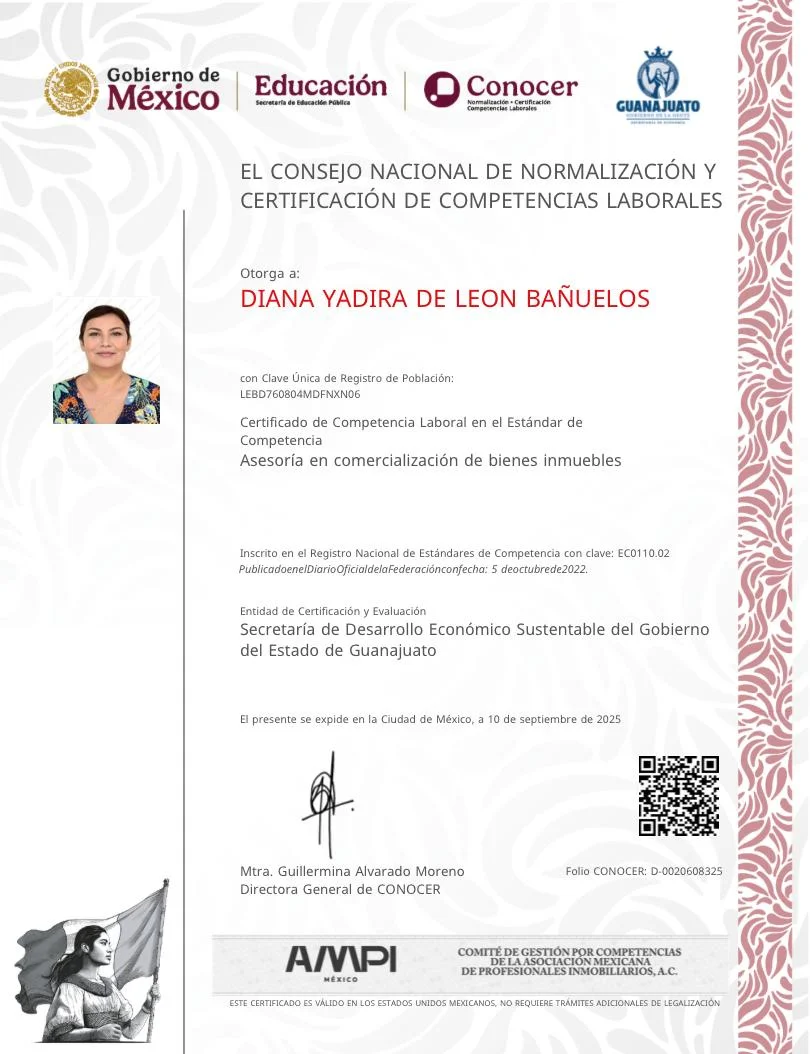
Casas en Valladolid can help organize the questions without replacing the responsible professionals. Review our credentials or message a WhatsApp agent.
FAQ
Does INSEJUPY prepare the appraisal?
No. A registered appraiser prepares the valuation. INSEJUPY administers the state roster and the separate validation procedure described for commercial appraisals used for fiscal contributions.
Is the INSEJUPY validation charge the appraiser’s fee?
No. The government charge for validation is separate from the professional appraisal fee and other transaction expenses.
Is every appraisal valid for six months?
Do not generalize that rule. The state procedure gives its validation certificate a six-month term when the property and general market conditions have not changed. Other users may impose different requirements.
Does a higher appraisal force the buyer to pay more?
No. The negotiated price depends on the parties and written agreement. Tax, lender, or authority treatment may involve separate rules.
Can an appraisal prove clean title?
No. Recorded liens, restrictions, ownership, authority, and title history require registry and legal review.
Should the appraiser inspect the property?
The report should state whether an inspection occurred, when, by whom, and its scope. Ask how an absent or limited inspection affects the conclusion.
Can I use a market estimate from an agent instead?
A market discussion can help with search and negotiation, but it is not automatically the formal appraisal required by a bank, notary, tax authority, court, or other recipient.
How do I verify the real estate adviser helping with the transaction?
Casas en Valladolid publishes independent INSEJUPY Tipo A records for Diana Yadira de León Bañuelos — REAI-INSEJUPY-A-00194 and Dalila Yesenia de León Bañuelos — REAI-INSEJUPY-A-00030. In the official registry, search BAÑUELOS and match the full legal name, folio, license type, and validity dates.